All Cases

17 Supreme Court Cases during the 2012 Term

McBurney v. Young
U.S. Supreme Court
Jan 2013

National Security

Free Speech

McBurney v. Young
Whether a state may limit access to its public records by allowing only its own citizens to use the state鈥檚 freedom of information law.
Explore case
Mcburney V. Young. Explore Case.
U.S. Supreme Court
Jan 2013
McBurney v. Young

National Security

Free Speech

McBurney v. Young

Whether a state may limit access to its public records by allowing only its own citizens to use the state鈥檚 freedom of information law.
Mcburney V. Young. Explore Case.
U.S. Supreme Court
Dec 2012

Smart Justice

Criminal Law Reform

Alleyne v. United States
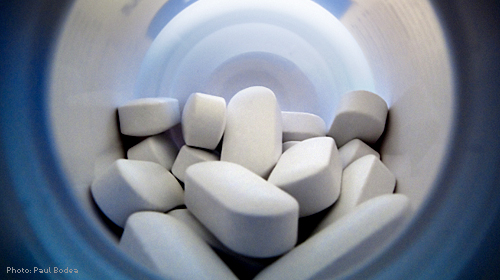
Whether the quantity of drugs involved in a crime must be decided by the jury before it can be the basis for a mandatory minimum sentence.
Explore case
Alleyne V. United States. Explore Case.
U.S. Supreme Court
Dec 2012

Smart Justice

Criminal Law Reform

Alleyne v. United States

Whether the quantity of drugs involved in a crime must be decided by the jury before it can be the basis for a mandatory minimum sentence.
Alleyne V. United States. Explore Case.
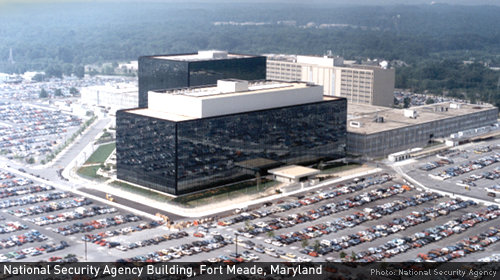
NSA Building
U.S. Supreme Court
Sep 2012

National Security

Clapper v. Amnesty International

Whether a federal statute that broadly expanded the government鈥檚 surveillance powers can be challenged by lawyers, journalists, and human rights organizations who face a reasonable likelihood that their international communications will be monitored under the statute and have taken prudent (and, in some cases, ethically compelled) steps to safeguard against that risk.
Explore case
Clapper V. Amnesty International. Explore Case.
U.S. Supreme Court
Sep 2012
NSA Building

National Security

Clapper v. Amnesty International

Whether a federal statute that broadly expanded the government鈥檚 surveillance powers can be challenged by lawyers, journalists, and human rights organizations who face a reasonable likelihood that their international communications will be monitored under the statute and have taken prudent (and, in some cases, ethically compelled) steps to safeguard against that risk.
Clapper V. Amnesty International. Explore Case.
Florida v. Harris
U.S. Supreme Court
Sep 2012

Criminal Law Reform

Florida v. Harris

Whether the police may conduct a warrantless search for drugs based solely on an alert by a drug-sniffing dog without any other evidence of the dog's reliability so long as the dog has been trained or certified.
Explore case
Florida V. Harris. Explore Case.
U.S. Supreme Court
Sep 2012
Florida v. Harris

Criminal Law Reform

Florida v. Harris
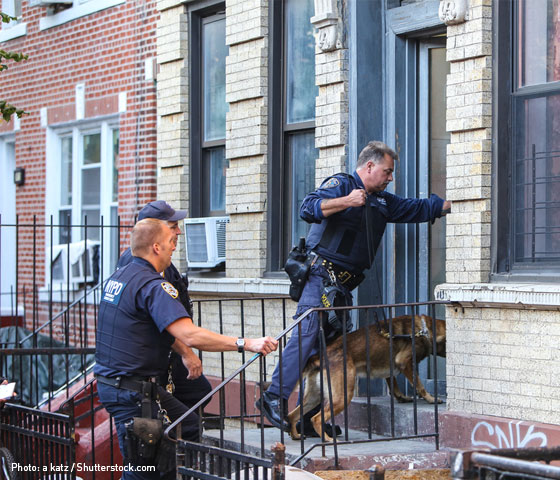
Whether the police may conduct a warrantless search for drugs based solely on an alert by a drug-sniffing dog without any other evidence of the dog's reliability so long as the dog has been trained or certified.
Florida V. Harris. Explore Case.
police officers with dog enter home to search it
U.S. Supreme Court
Aug 2012

Criminal Law Reform

Bailey v. United States

Whether someone who has left the immediate vicinity of a house that is about to be searched may be seized by the police without probable cause.
Explore case
Bailey V. United States. Explore Case.
U.S. Supreme Court
Aug 2012
police officers with dog enter home to search it

Criminal Law Reform

Bailey v. United States

Whether someone who has left the immediate vicinity of a house that is about to be searched may be seized by the police without probable cause.
Bailey V. United States. Explore Case.
12
3
4

How Do Terms Work?

Between October and late June or early July the Supreme Court is 鈥渋n session,鈥 meaning it hears oral arguments, issues written decisions, and decides whether to take additional cases.

Submitting petitions

Our legal team at the 桃子视频files a cert petition to the U.S. Supreme Court, a type of petition that usually argues that a lower court has incorrectly decided an important question of law that violates civil rights and should be fixed to prevent similar confusion in similar cases.

term starts

U.S. Supreme Court decides to take a case

On average, the Court considers about 7,000 鈥 8,000 petitions each term and accepts about 80 for oral argument.

Oral arguments

This is the period where the U.S. Supreme Court listens to our case in court.

U.S. Supreme Court makes final decisions

While the U.S. Supreme Court makes decisions throughout the term, many are released right before the term ends. If a decision doesn't go in our favor, we fight back!